
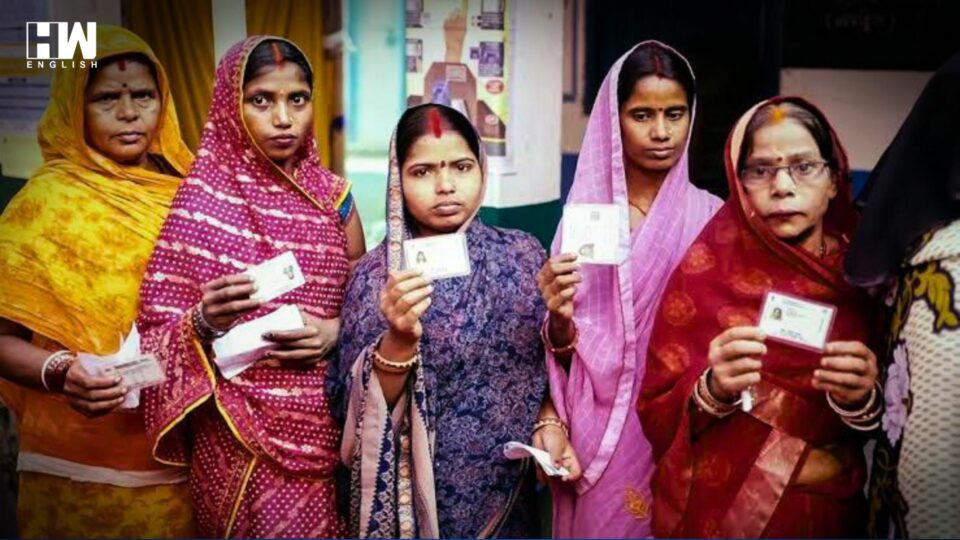
Bihar’s first phase of polling on November 6 saw a record 64.66% voter turnout across 121 constituencies in 18 districts, the highest ever for any phase in the state’s assembly election history. Districts like Begusarai and Gopalganj recorded over 65%, with women voters turning out in remarkable numbers. The Election Commission described the polling as “festive and peaceful,” though a few stray incidents, including an attack on a CPM MLA’s convoy in Saran, were reported.
The high participation has triggered a familiar debate; does a large turnout mean anti-incumbency or pro-incumbency? Analysts remain divided. While conventional wisdom often interprets high voting as a sign of anger against the ruling dispensation, data from past Indian elections tells a different story. Studies show no consistent correlation between rising turnout and the defeat of incumbents. A spike in turnout can mean many things, motivated first time voters, strong local contests, or a sense of empowerment among groups that previously stayed away from polling booths.
Phase 2 of voting on November 11 will complete the electoral process, with counting scheduled for November 14. Whether this record turnout signals a call for change or renewed faith in stability will only be known when the ballots are opened, but one thing is clear, Bihar has spoken loudly, and its voice will be impossible to ignore.
As an independent media platform, we do not take advertisements from governments and corporate houses. It is you, our readers, who have supported us on our journey to do honest and unbiased journalism. Please contribute, so that we can continue to do the same in future.
