
The Brihanmumbai Municipal Corporation results need to be read carefully, without emotion overriding arithmetic and without arithmetic dismissing sentiment.
Across Maharashtra, the BJP delivered a clear and decisive performance in municipal corporations. Its organisational strength, campaign discipline and alliance management translated into numbers. That reality stands firm and undisputed.
Mumbai, however, once again behaved differently.
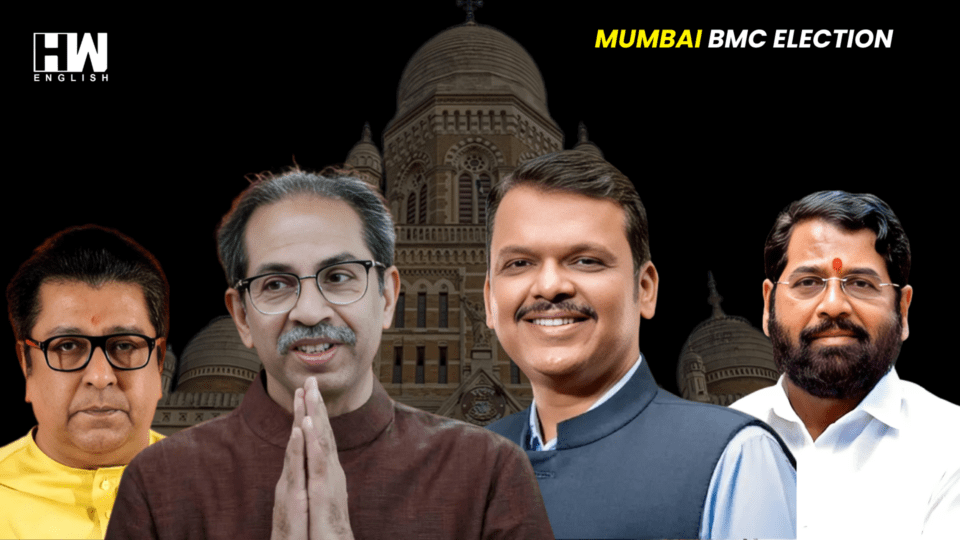
In the city, the strongest resistance to the BJP came from Sena UBT along with the MNS. This was the first election where the two Thackeray brothers came together after years of separation. As a new alliance, with no prior testing and limited time to consolidate, finishing second with 71 seats is politically significant.
The context matters. The original Shiv Sena split into two. Uddhav Thackeray lost the party structure, symbol and a large part of the organisation his father built. Despite this, Sena UBT alone secured 65 seats in Mumbai, while the original Shiv Sena faction managed 29. This comparison does not declare a winner, but it clearly establishes relevance.
Another aspect that cannot be ignored is the Congress performance in Mumbai. The party secured 24 seats, largely without an aggressive campaign, high visibility leadership or sustained publicity. This outcome appears to be driven less by momentum and more by inertia. Congress has a long standing voter base in Mumbai, and its loyal supporters turned out regardless of the absence of narrative or energy. These votes were not inspired by campaign messaging, but by habit, familiarity and organisational memory that still exists in pockets of the city.
What influenced the broader outcome was not one single factor.
Yes, governance narratives, local candidates, ward level equations and voter calculations played their role. Mumbai voters are rarely sentimental alone. They vote tactically, often to balance power rather than surrender it completely.
At the same time, the coming together of the Thackeray brothers did create an emotional undercurrent. For many voters, it evoked the memory of Balasaheb Thackeray, a figure inseparable from Mumbai’s political identity. That sentiment did not decide the election, but it helped consolidate support and energise a fragmented base. Emotion acted as a catalyst, not a conclusion.
The final picture is clear if read honestly.
The BJP won the election.
Sena UBT and its ally proved they remain politically relevant.
Congress survived on loyalty rather than campaign strength.
Mumbai voted neither for nostalgia nor rebellion, but for balance.
What lies ahead matters more than what just concluded.
This Thackeray alliance has shown potential, not dominance. If it stays together, organises deeper and expands beyond symbolism, future contests could be far more competitive. If it fractures again, this moment will remain a limited one.
Mumbai has not given a verdict for the future.
It has only kept the door open.
As an independent media platform, we do not take advertisements from governments and corporate houses. It is you, our readers, who have supported us on our journey to do honest and unbiased journalism. Please contribute, so that we can continue to do the same in future.
