
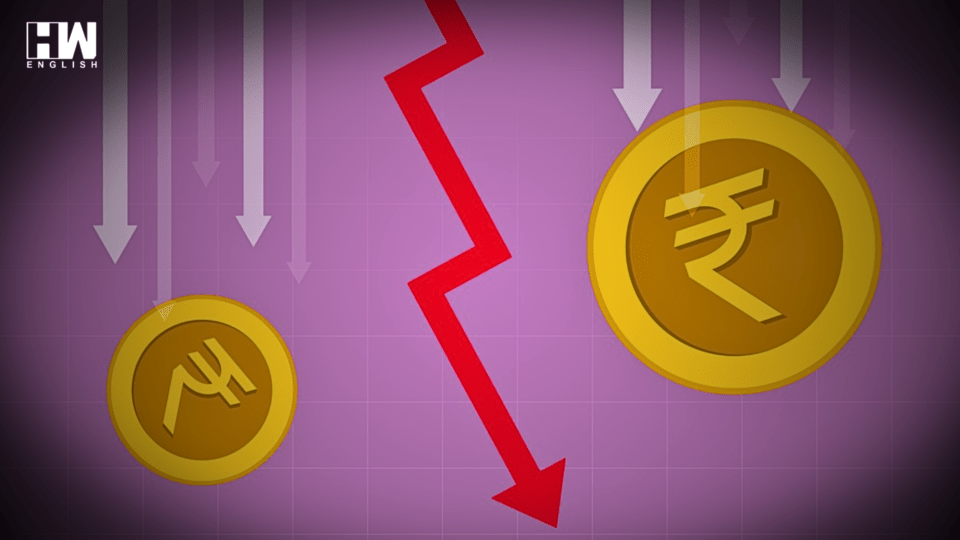
People often wonder why the rupee keeps falling. The truth is not complicated. It is a mix of global changes and our own economic pressures. Here are the five main reasons explained in a straightforward way.
1- The dollar is stronger right now
The United States economy is steady and investors across the world feel safer putting their money there. When more people want dollars, its value goes up. Think of it like a product that is in high demand. When demand rises, the price rises. As the dollar gets stronger, the rupee naturally weakens.
2- Higher interest rates in the United States
The United States central bank raised interest rates to control inflation. Higher rates mean better returns for investors. Imagine you are choosing between two fixed deposits. If one gives a much higher return, you will move your money there. Global investors do the same. When they shift money to the United States, emerging markets like India see less inflow, which weakens the rupee.
3- India’s import bill is heavy
India buys a lot from other countries, especially crude oil, gold and electronics. We pay for all of this in dollars. When your shopping list is long and you are paying in a currency that is getting costlier, the burden increases. Since imports are higher than exports, our demand for dollars stays high and that puts pressure on the rupee.
4- Global conflicts have made oil unpredictable
India depends on imported oil. So when there is tension in West Asia or Europe, oil prices rise. A simple example is this. If oil becomes costlier by even a small amount, India ends up paying millions of dollars more. That additional demand for dollars again weakens the rupee.
5- Foreign investors are being cautious
Foreign funds sometimes pull back money from Indian markets. When they do, they convert their rupees back into dollars before leaving. This increases the demand for dollars and pushes the rupee down further. Even short phases of outflow can have a visible impact on the exchange rate.
How Does This Affect The Everyday Indian
The fall of the rupee is not just an economic headline. It shows up in your monthly budget. Since we buy oil in dollars, a weak rupee means costlier petrol and diesel. When fuel becomes costlier, trucks charge more. Everything they carry becomes more expensive. Groceries, vegetables, packaged goods, school supplies, almost every item feels the ripple. Families with children studying abroad or planning foreign travel face an even sharper impact. If one dollar costs more, fees, living costs, flights and hotels all become more expensive.
In short, when the rupee weakens, the cost of living rises for everyone. It is a chain reaction that begins with global events but ends at the doorstep of every Indian household
As an independent media platform, we do not take advertisements from governments and corporate houses. It is you, our readers, who have supported us on our journey to do honest and unbiased journalism. Please contribute, so that we can continue to do the same in future.
