
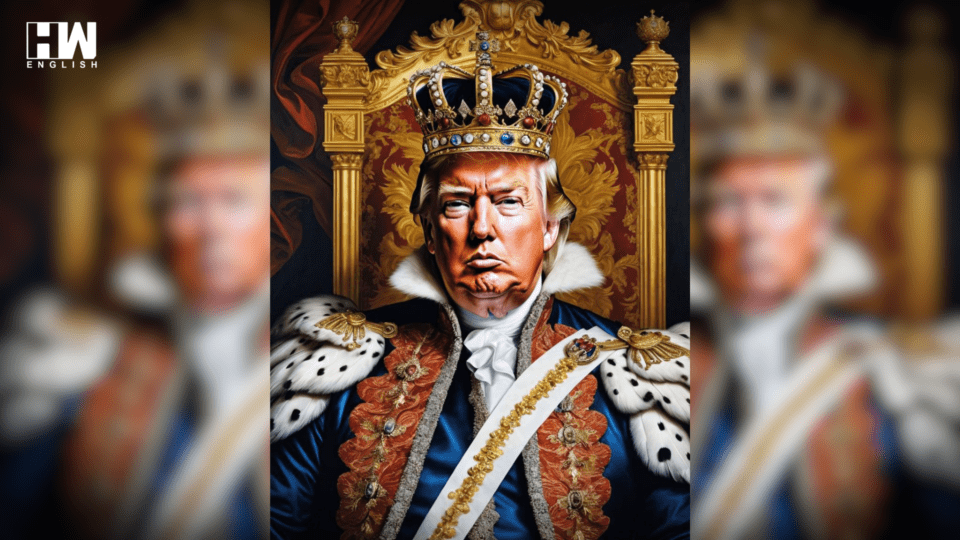
What happens when global peace organisation is designed like a private company. The so called Board of Peace launched on 23 January, 2026 in Davos, is being projected as a new international authority to resolve conflicts and rebuild war zones. It began with Gaza but quickly expanded its ambition to anywhere in the world where instability exists. On paper it sounds grand. In reality it looks like a parallel United Nations built around one individual.
Membership is by invitation. Permanent seats cost one billion dollars. Temporary members get limited access. The structure is not democratic. There are no elections or term limits. Donald Trump is Chairman for Life with the power to choose his successor. Decision making flows top down like a corporate boardroom not a multilateral institution.
So who has actually joined. Roughly twenty six to thirty five countries have signed the charter so far. Most are regional players from West Asia including Israel, Egypt, Saudi Arabia, UAE, Jordan, Qatar and Bahrain. Others include Pakistan, Turkey, Argentina, Hungary, Vietnam, Indonesia and a few Central Asian states like Kazakhstan and Uzbekistan. Canada was initially invited but the invitation was reportedly withdrawn after Prime Minister Mark Carney refused to pay for a permanent seat. Even allies, it seems, are welcome only if they pay up.
The absence of major global powers is telling. Countries like the UK, France and Germany have stayed away. So have China and Russia. The reasons are obvious. This body openly bypasses the United Nations and appears designed to undermine the Security Council. Its legal standing is vague at best. And the concentration of authority in the hands of one chairman for life gives it an unmistakably autocratic tone. Paying one billion dollars for a seat and pledging loyalty to a permanent chairman looks less like multilateral diplomacy and more like a colonial or corporate arrangement.
Why did India not join. New Delhi chose to stay away from the Davos signing and adopt a wait and watch approach. India has traditionally backed UN led multilateralism and is wary of joining a body that circumvents the UN. There are also serious doubts about longevity. Many in Delhi see this as a passion project that could collapse the moment Trump leaves office in three years. The presence of Pakistan inside the board adds another layer of discomfort especially with reports that Islamabad may offer troops for a Gaza force, giving it early mover advantage in a forum where India has no seat.
That decision however is not without risks. Trump has openly threatened steep tariffs on countries that do not cooperate with his initiatives and India could face trade pressure. Staying out could also mean losing access to lucrative West Asian reconstruction contracts and political decision making in the region. There is also an unspoken fear that the Board may one day attempt to insert itself into the India Pakistan dispute, including Kashmir, without India’s consent if New Delhi remains outside the room.
At its core this looks nothing like global cooperation. It looks like Trump’s bootlickers club. Pay one billion dollars and get a permanent seat. If you cannot pay you become a second class member. But one qualification is non negotiable. Absolute loyalty to Trump. Peace is optional. Submission is mandatory
As an independent media platform, we do not take advertisements from governments and corporate houses. It is you, our readers, who have supported us on our journey to do honest and unbiased journalism. Please contribute, so that we can continue to do the same in future.
