
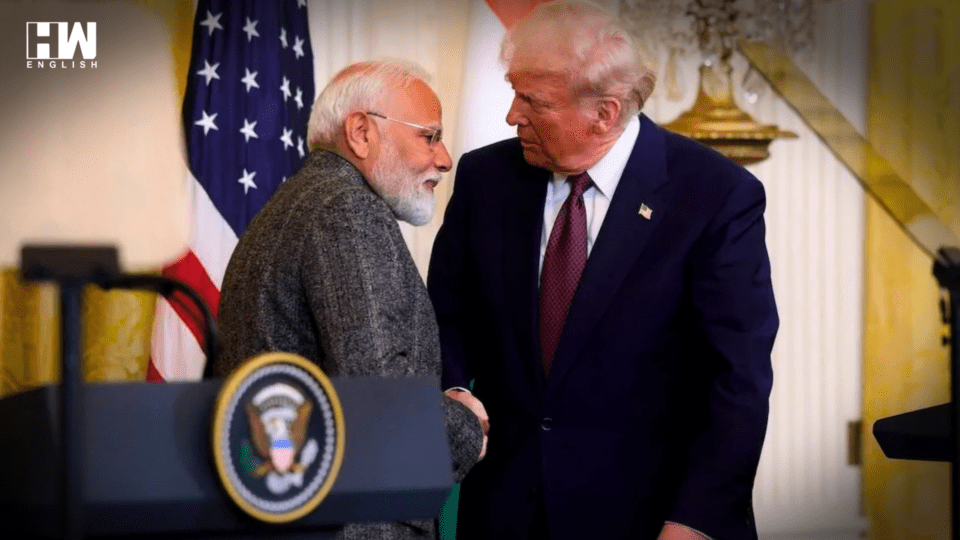
On February 5, the government issued a press note through the Agriculture Ministry assuring the nation that Indian farmers were fully protected under the India US trade deal.
No compromise. No market opening. No threat to agriculture or dairy. The language was categorical. Absolute. Comforting.
Today, a second press release appeared. This time from the Commerce Ministry. This one did not speak in assurances. It spoke in commitments.
Tariffs on a wide range of US agricultural products would be reduced or eliminated. Non tariff barriers on US food and farm products would be addressed. Standards and regulatory alignment would be discussed. Market access would expand further under the Bilateral Trade Agreement.
Why?
If agriculture was fully protected, why does the agreement explicitly open tariffs and dismantle non tariff barriers on food and farm products?
If nothing was conceded, why does the second document read like a roadmap for agricultural market access?
And most importantly, why was this missing from the first press note?
Was the first statement meant to reassure farmers by withholding inconvenient details? Or was it an attempt to shape public perception before the actual terms became unavoidable?
Another uncomfortable question must be asked.
Was the second press note released only because the United States had already put the joint statement out, leaving no room to maintain the earlier narrative? Because once a joint statement is public internationally, silence at home is no longer an option.
This is not about opposing trade. This is about transparency.
When two official documents from the same government tell two very different stories, mistrust is not created by critics. It is created by contradiction.
As an independent media platform, we do not take advertisements from governments and corporate houses. It is you, our readers, who have supported us on our journey to do honest and unbiased journalism. Please contribute, so that we can continue to do the same in future.
