
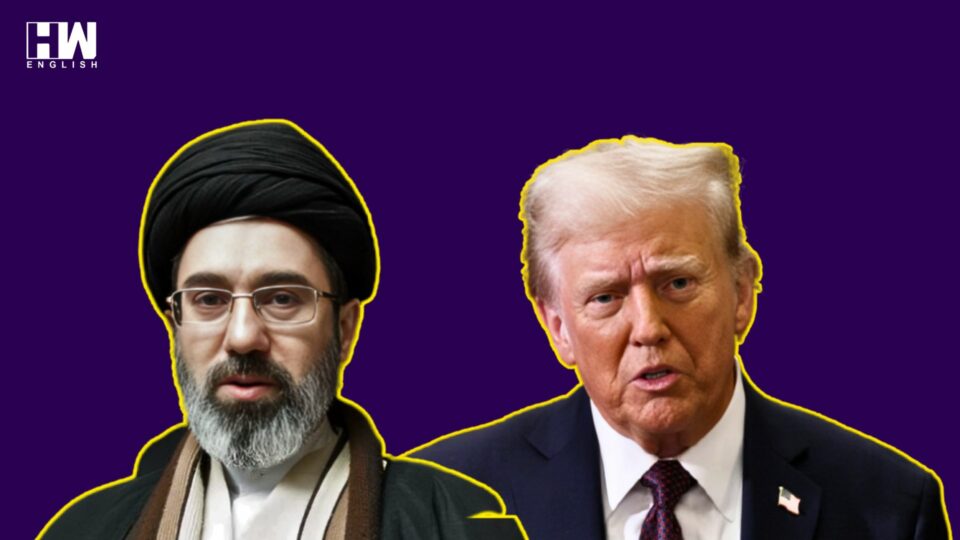
As the April 7, 8:00 pm ET, that is 5:30 AM IST on Wednesday, April 8, deadline set by Donald Trump draws closer, the situation around the Strait of Hormuz has turned into a high risk geopolitical flashpoint. There is a strong possibility that Iran may refuse to comply with the demand to reopen the Strait, and if that happens, the next course of action could mark a dangerous escalation.
The United States has already indicated that its targets will include power plants and bridges. This is no longer limited to military assets. It signals a deliberate move toward crippling civilian infrastructure. The implications of such a strategy are severe. Once critical infrastructure is targeted, civilian casualties become inevitable, and the conflict crosses a threshold from controlled military engagement into widespread humanitarian crisis.
But the larger concern lies beyond the immediate battlefield.
What we are witnessing is the consolidation of a strategic axis between Russia, China, and Iran. This is no longer a theoretical alignment. It has taken the shape of a functional and coordinated geopolitical bloc. The so called “maximum pressure” approach, including Operation Epic Fury, has effectively acted as the binding force bringing these nations closer together.
What we are witnessing is the consolidation of a strategic axis between Russia, China, and Iran. This is no longer a theoretical alignment. It has taken the shape of a functional and coordinated geopolitical bloc. The so called “maximum pressure” approach, including Operation Epic Fury, has effectively acted as the binding force bringing these nations closer together.
Russia, in particular, stands to gain strategically from this escalation. It will use the U.S. strikes on civilian infrastructure to justify its own actions in Ukraine, especially in the eyes of Western critics. The narrative of selective outrage becomes easier to build when similar tactics are visibly deployed elsewhere. At the same time, Russia’s asymmetric support to Iran, including tactical mirroring and intelligence inputs, significantly increases the risks for any U.S. military operation in the region.
China’s approach remains calculated and systemic. By settling energy transactions in yuan and creating financial pathways outside the dollar system, it is steadily building an alternative global economic structure. The longer the crisis continues, the stronger this parallel system becomes, potentially drawing other energy dependent nations into its orbit.
Meanwhile, the global economic consequences are already unfolding. Rising oil prices, disruptions in LNG supply, and increasing uncertainty in maritime routes are placing immense pressure on global markets. Any further escalation, particularly if infrastructure strikes intensify, could trigger a stagflationary shock across major economies.
At a tactical level, the United States may believe it is asserting control. But strategically, it risks accelerating the very alignment it seeks to prevent. Each step taken to isolate Iran is, in effect, strengthening a counter coalition that challenges the existing global order.
History reminds us that wars are not defined only by their intent, but by the unintended alliances and consequences they leave behind.
The question now is simple, yet deeply unsettling. Once this line is crossed, who controls what comes next?
As an independent media platform, we do not take advertisements from governments and corporate houses. It is you, our readers, who have supported us on our journey to do honest and unbiased journalism. Please contribute, so that we can continue to do the same in future.
