
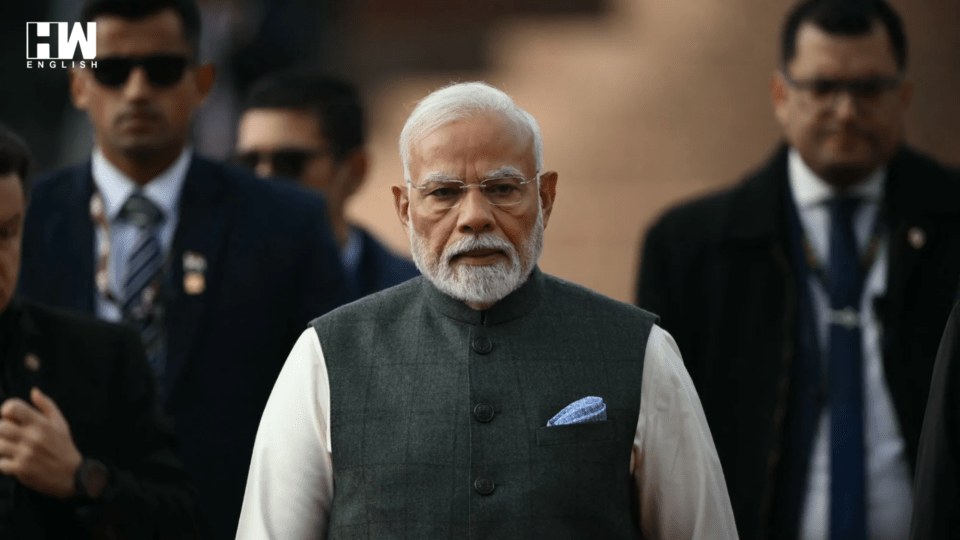
At first, the question sounds absurd. We are constantly told that India is the world’s fastest growing major economy, on its way to becoming a global superpower. Which is why Prime Minister Narendra Modi’s recent warning of a global “disaster decade” that threatens to revive massive poverty deserves close attention.
Because behind the growth story lies a reality every Indian household understands. Life has become expensive.
The moment fuel prices rise, everything else follows. Vegetables, transport, manufacturing, deliveries, daily essentials. The middle class starts cutting expenses. Small businesses feel the pressure. For the poor, even a small price rise can become a crisis.
That is the fragile nature of poverty in developing economies. Millions may have moved above the poverty line, but many still live dangerously close to it. One illness, one job loss, one inflation cycle, or one economic disruption can push families backwards again.
India is also heavily exposed to global instability. The after effects of COVID, ongoing wars, unstable supply chains, and rising energy costs directly affect us because India still imports most of its crude oil. When the world shakes, Indian households feel the impact almost immediately.
This is why GDP numbers alone do not guarantee economic security.
A nation becomes truly strong not when headlines celebrate billionaires and stock markets, but when ordinary citizens no longer fear that one crisis can destroy their financial stability.
India’s rise is real. But so is our vulnerability.
And perhaps the biggest challenge before the country is not just becoming rich, but ensuring millions do not become poor again.
Dear Readers,
As an independent media platform, we do not take advertisements from governments and corporate houses. It is you, our readers, who have supported us on our journey to do honest and unbiased journalism. Please contribute, so that we can continue to do the same in future.
As an independent media platform, we do not take advertisements from governments and corporate houses. It is you, our readers, who have supported us on our journey to do honest and unbiased journalism. Please contribute, so that we can continue to do the same in future.
