
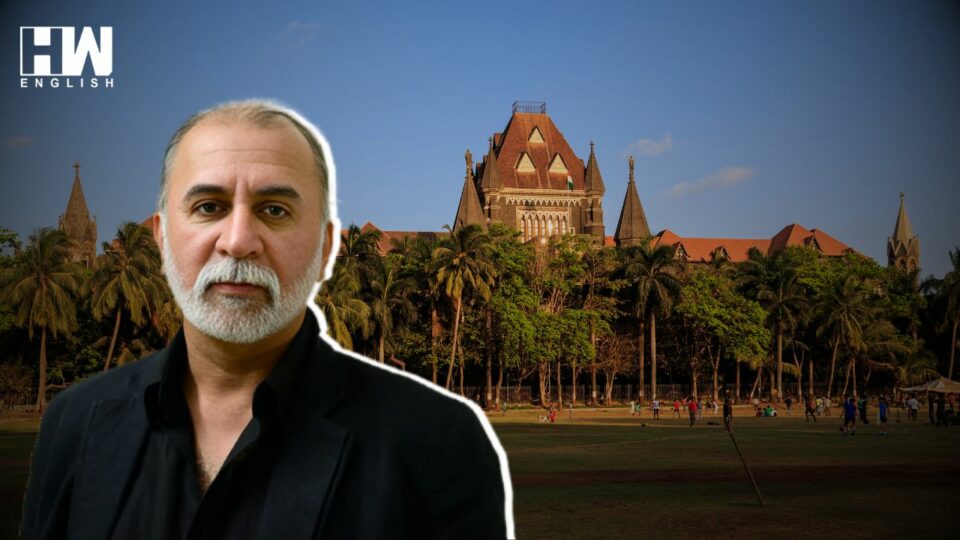
I welcome the Bombay High Court judgment in the Tarun Tejpal case. The court has overturned his acquittal by the Goa trial court and sentenced him to 10 years of rigorous imprisonment.
But it also leaves me with a question I have struggled with for years: How did the trial court arrive at an acquittal in the first place?
The evidence before the court included emails written by Tejpal to the survivor, in which he apologised and acknowledged that what he had done was wrong. The trial court interpreted the evidence differently and acquitted him. The High Court has now taken a very different view of the evidence and the manner in which the survivor’s conduct was assessed.
I believe the High Court judgment is important not just because of the individual involved, but because it reinforces a larger principle.
Rape, sexual assault and sexual harassment are crimes where there should be zero tolerance. The identity, influence, wealth, political connections or social standing of the accused should make absolutely no difference to how seriously the state pursues the case.
And this brings me to another question.
The manner in which Solicitor General Tushar Mehta argued the state’s case against Tejpal was striking. The government deployed its strongest legal resources to challenge the acquittal and pursue the matter before the High Court.
Why should this determination not be the standard in every serious sexual assault case involving a powerful accused?
Whether the accused is a politician, religious leader, celebrity, businessman or any other influential person, the state should use its best investigative and prosecutorial machinery to ensure that justice is properly pursued.
This is not about securing a conviction at any cost. It is about ensuring that every case is investigated professionally, prosecuted effectively and decided strictly on the evidence.
The state should not be selective in its determination.
If the government can deploy its best legal resources in one high profile rape case, the same determination should be visible in every rape case involving a powerful accused.
Justice cannot depend on who the accused is.
The Tejpal case has taken 13 years to reach this stage.
How many survivors can afford to wait that long for justice?
As an independent media platform, we do not take advertisements from governments and corporate houses. It is you, our readers, who have supported us on our journey to do honest and unbiased journalism. Please contribute, so that we can continue to do the same in future.
