
On February 19, 2026, Andrew Mountbatten Windsor, formerly known as Prince Andrew, was arrested. He is the first senior member of the British Royal Family to be detained by police in nearly four hundred years.
He was arrested on suspicion of misconduct in public office linked to his earlier role as a UK trade envoy. Investigators are examining whether confidential government or commercial information was shared with Jeffrey Epstein, based on material from recently released files.
He was detained by Thames Valley Police at Sandringham, questioned for about eleven hours, and released under investigation. He has not been formally charged. Earlier, he had already been stripped of his royal titles.
After the arrest, Charles III stated that the law must take its course. There was no public defence and no criticism of the investigation.
Now consider India.
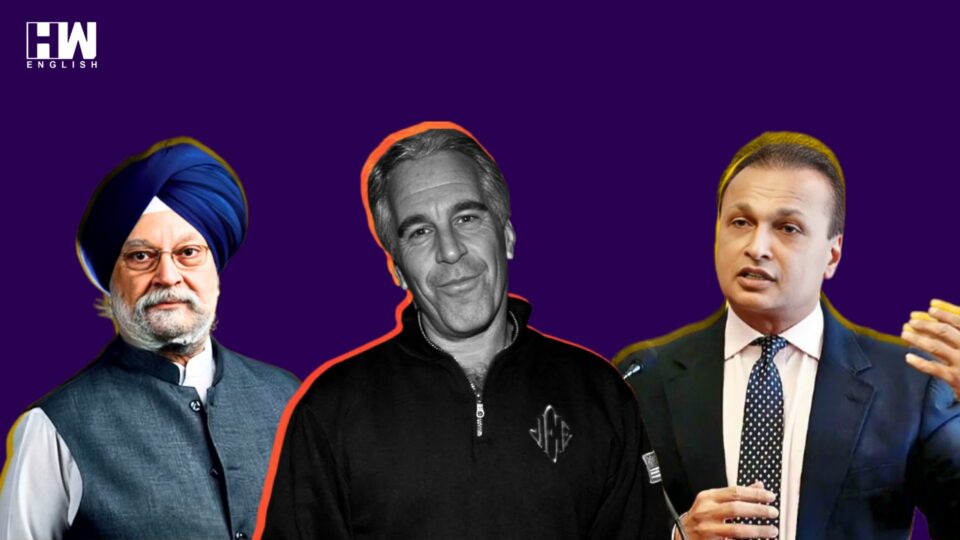
Names such as Hardeep Singh Puri and Anil Ambani have appeared in discussions around the Epstein files. Narendra Modi’s name also surfaced, though without evidence of direct interaction and largely in the context of name dropping.
Mention of a name does not mean guilt. It does not automatically mean a crime has been committed. That is why investigations exist.
The counter argument is that in the UK there were specific complaints and a clear paper trail involving possible misuse of public office. In India, most references relate to proximity, not to a defined offence. The government has described the matter as a smear campaign, and without a clear predicate offence, agencies such as the CBI or ED are unlikely to act.
The larger issue then is about our standards. Do we expect institutions to review uncomfortable associations, or do we move only when there is clear proof of illegality? How will clear proof ever emerge if no investigation is initiated? If public figures were in contact with someone exposed as a convicted sex offender and financial criminal, what was the nature of those interactions? Were those favours sought legal? India needs clarity, especially when the country’s name is being linked in an international controversy.
These are legitimate questions in any democracy.
Do we want to show that public life demands moral responsibility, and that how something is done matters as much as the outcome?
As an independent media platform, we do not take advertisements from governments and corporate houses. It is you, our readers, who have supported us on our journey to do honest and unbiased journalism. Please contribute, so that we can continue to do the same in future.
