
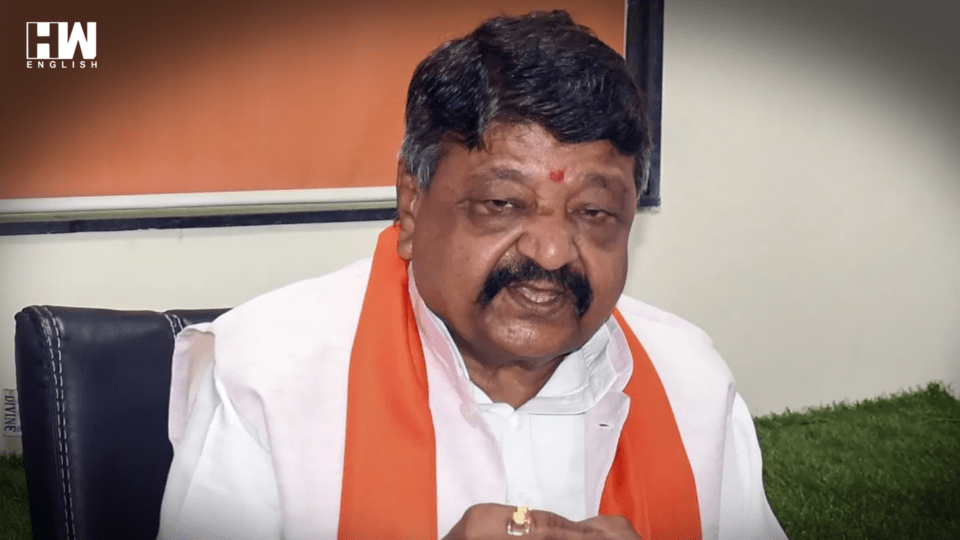
This is what absolute power does. It strips leaders of humility and replaces it with contempt. It teaches them that questions are insults, that citizens are nuisances, and that lives can be brushed aside with a smirk and a slang word.
When a minister can look at a tragedy where people have died from contaminated water and respond with “Ghanta,” it is not just a personal failure. It is a systemic one. It tells you that the fear of scrutiny is gone. That the fear of consequences is gone. That power no longer feels the need to explain itself.
We have seen this pattern before. Time and again, it was not benevolence that corrected injustice. It was pressure. It was outrage. It was the presence of voices that refused to shut up. In the Aravalli case, it was sustained media attention and public anger that forced the courts to revisit and correct what would have otherwise become a quiet burial of environmental justice. In the Unnao rape case, when a convicted rapist sought relief, it was the noise outside the courtroom that mattered as much as the arguments inside it. Public conscience spoke loudly, and the system was compelled to listen. Even the suspension of sentence granted earlier was disallowed because the spotlight would not move away. That rapist was Kuldeep Singh Sengar, but more importantly, he was powerful. And power only retreats when it is cornered.
Now imagine a country without that pressure. Imagine a nation where there is no opposition to ask uncomfortable questions, no media left to persist, no public outrage strong enough to shake the walls of authority. Imagine every institution knowing that the ruling party will remain untouched, unchallenged, unquestioned. What incentive would there be to be decent? To be careful? To be just?
This is the danger of an “opposition mukth Bharat.” Not only ideological dominance, but moral decay. When nobody questions power, power stops respecting life. When nobody can challenge authority, authority becomes cruel by default.
Ministers mock deaths. Powerful men threaten survivors on camera. And the system learns that it can look away safely, confident that no one has the authority, courage, or institutional strength left to make it answer. Democracy is not safeguarded by slogans or brute majorities. It survives only when power is constantly questioned, doubted, and held to account.
If you still believe an opposition is a nuisance, pause and reflect. Who will speak for you when power turns deaf? Who will stand between you and arrogance disguised as authority? Who will demand answers when those in control decide they owe none? A nation without opposition is not a strong nation. It is a silent one. And silence has never protected ordinary citizens
As an independent media platform, we do not take advertisements from governments and corporate houses. It is you, our readers, who have supported us on our journey to do honest and unbiased journalism. Please contribute, so that we can continue to do the same in future.
