
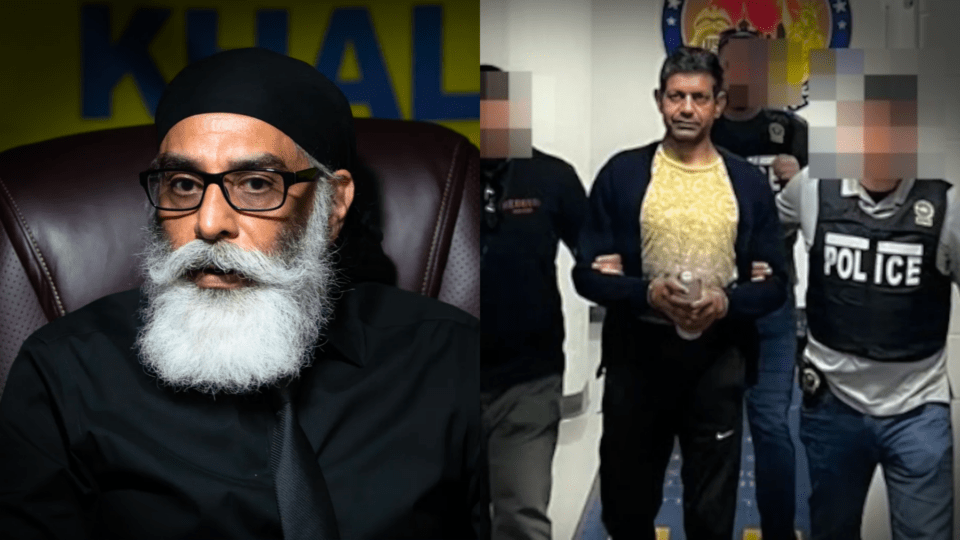
The case involving Nikhil Gupta has now moved from allegation to admission. On February 13, 2026, Gupta pleaded guilty in a federal court in Manhattan to murder for hire, conspiracy to commit murder for hire, and conspiracy to commit money laundering. Arrested in the Czech Republic in 2023 and extradited to the United States in 2024, he has now judicially confirmed the US Department of Justice version of events.
According to US prosecutors, Gupta coordinated a 100000 dollar plot, including a 15000 dollar advance paid in New York, to assassinate Gurpatwant Singh Pannun, a US citizen and Khalistan activist. The man he believed to be a contract killer was in fact an undercover DEA operative. Gupta now faces a maximum of 40 years in prison, with sentencing scheduled for May 29, 2026.
What’s India’s position on this?
New Delhi has consistently maintained that extrajudicial killings are not government policy. It set up a high level inquiry and has indicated that any involvement may have been the act of a rogue individual, not a state sanctioned mission. The official allegedly linked to the case is no longer in government service. India has also engaged with US authorities, signaling a desire to contain damage to the broader strategic relationship.
But the guilty plea changes the global conversation.
First, it raises uncomfortable questions about democratic values. India’s strength in the West lies in being seen as a fellow democracy. An alleged assassination plot on American soil complicates that image.
Second, strategic trust is at stake. As India seeks advanced defense and technology cooperation from Washington, any perception of intelligence overreach could invite tighter scrutiny from the US Congress.
Third, the case inevitably intersects with Canada’s earlier allegations over the killing of Hardeep Singh Nijjar, raised by Justin Trudeau. Together, these episodes risk shaping a broader narrative among Western allies.
The bottom line is simple. With Gupta’s confession, the debate is no longer about whether a plot existed. The real question now is accountability and institutional control.
For a country that aspires to global leadership, perception matters as much as power. How India navigates this moment will define whether this becomes a passing storm or a lasting shadow
Dear Readers,
As an independent media platform, we do not take advertisements from governments and corporate houses. It is you, our readers, who have supported us on our journey to do honest and unbiased journalism. Please contribute, so that we can continue to do the same in future.
As an independent media platform, we do not take advertisements from governments and corporate houses. It is you, our readers, who have supported us on our journey to do honest and unbiased journalism. Please contribute, so that we can continue to do the same in future.
