
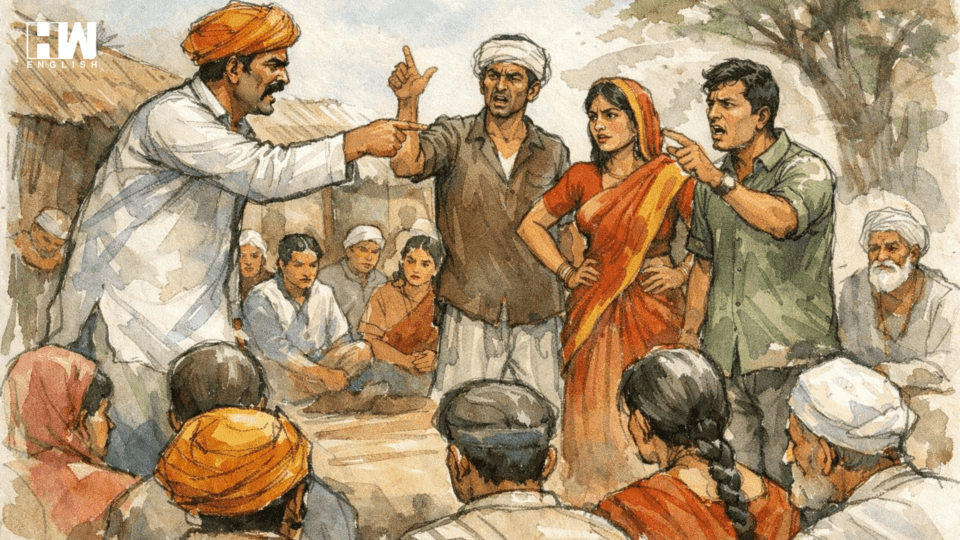
In a village, the headman made an announcement.
“I will build a well for everyone,” he said. “But only if all of you first agree to shift your homes and redraw the entire village.”
One group in the village agreed immediately.
“Yes, let’s do both,” they said.
Another group was not convinced.
“We want the well,” they said, “but shifting homes and redrawing boundaries is a much bigger issue. That needs a separate decision.”
The disagreement grew.
So the well was not built.
The headman then stood before the village and declared,
“Look at them. They opposed the well.”
And just like that, the narrative was set.
Now come back to today.
On April 17, the Delimitation Bill 2026, a constitutional amendment, was put to vote in Parliament and failed to secure the required two thirds majority.
Women’s reservation, though widely supported across parties, has been made contingent on delimitation and the redrawing of constituencies. One cannot move without the other.
One side supported both.
The other supported women’s reservation, but not the way it was tied to delimitation.
So when delimitation failed, women’s reservation did not move forward.
Yet the messaging that followed was simple. The opposition was blamed for blocking women’s representation.
But ask yourself.
If both sides wanted the well, but disagreed on shifting the entire village, who really stopped the well from being built?
As an independent media platform, we do not take advertisements from governments and corporate houses. It is you, our readers, who have supported us on our journey to do honest and unbiased journalism. Please contribute, so that we can continue to do the same in future.
