
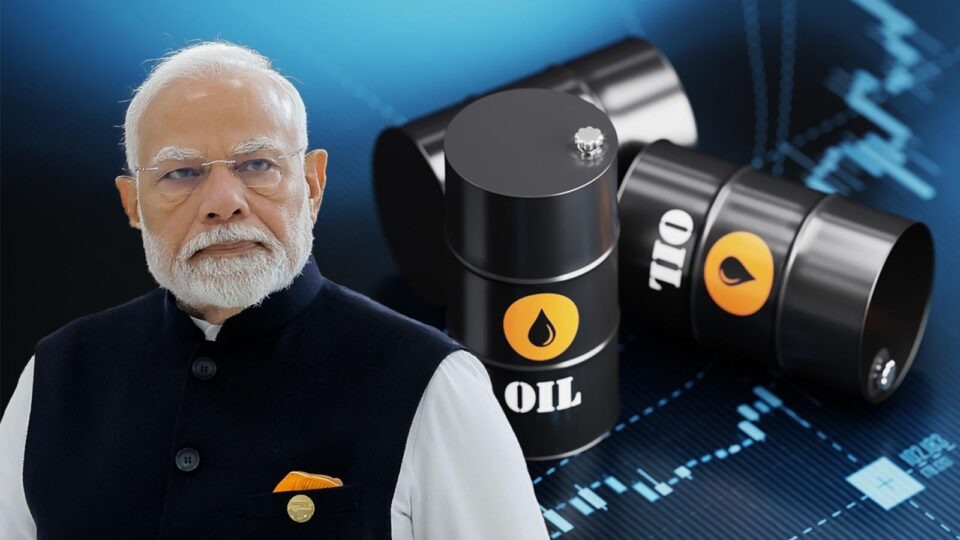
For years, Indians were told that rising fuel prices were unavoidable because international crude oil prices had gone up. Fair enough. Global markets fluctuate. Governments cannot control everything.
But then came a long phase when crude prices actually fell sharply across the world. Did Indian citizens see real relief at the petrol pump? Not really.
Instead, excise duties quietly went up. Governments earned enormous revenues while ordinary citizens continued paying inflated fuel prices. At the time, the justification was development, welfare spending, and nation building.
Now crude prices are rising again. And once again, the burden is being pushed back onto citizens.
This is no longer just an economic issue. It is a question of foresight and planning.
India once had access to affordable Iranian crude. Then geopolitical alignments changed. Later, discounted Russian crude became the cushion that helped India control inflation and fuel costs. But even that route is now becoming uncertain and difficult.
The result is simple. India is struggling to secure consistently affordable crude, and ordinary Indians are paying the price for years of reactive energy policy instead of long term strategic planning.
And fuel prices never stop at petrol pumps.
When fuel becomes expensive, transport costs rise. Food prices rise. Delivery charges rise. Small businesses suffer. Middle class household budgets slowly begin collapsing month after month.
The saddest part is how this pain is administered in tiny doses. Two rupees today. Another increase tomorrow. One more silent adjustment later.
Eventually exhaustion replaces outrage.
But citizens still have every right to ask one simple question. When crude prices were low, why were the benefits not fully passed on to the people?
And if governments benefited during the good years, should ordinary Indians alone suffer during the difficult years?
Because governance is not only about collecting revenue during a crisis. It is also about protecting citizens from avoidable economic shocks.
As an independent media platform, we do not take advertisements from governments and corporate houses. It is you, our readers, who have supported us on our journey to do honest and unbiased journalism. Please contribute, so that we can continue to do the same in future.
